

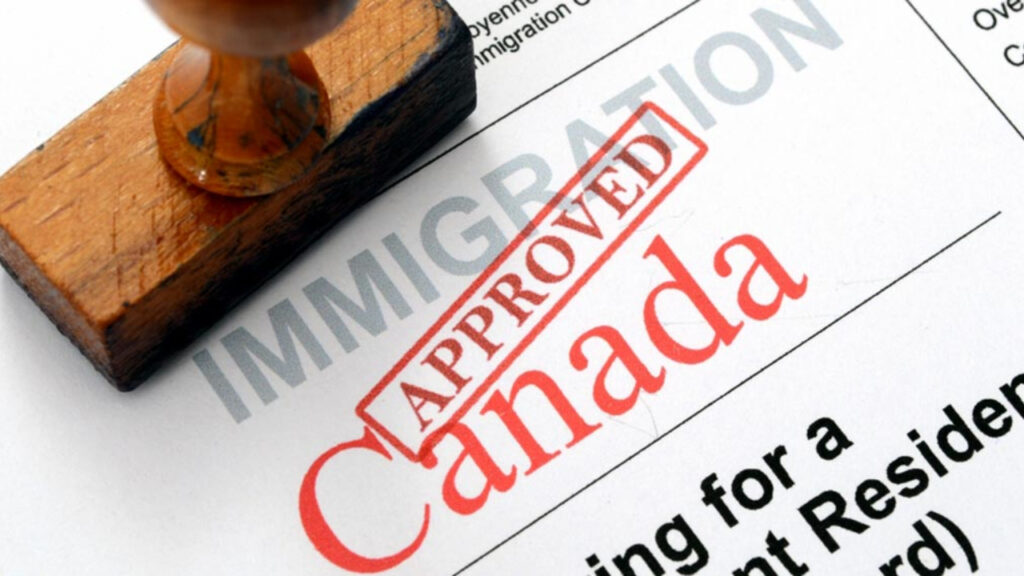
Canada is one of the most sought-after destinations for those looking to build a career or gain international work experience. The country offers a variety of work visa options tailored to meet the needs of different individuals, including students, skilled workers, and temporary laborers. This guide explores the various work visa types available in Canada, detailing the requirements and processes involved. Whether you’re a student looking to gain work experience or a professional aiming to advance your career, understanding your options is crucial.
Types of Work Visas in Canada
a. Employer-Specific Work Permits
The Employer-Specific Work Permit, also known as a closed work permit, allows you to work in Canada under specific conditions, such as a particular employer, job role, and location. This permit is usually tied to a job offer from a Canadian employer who has obtained a Labour Market Impact Assessment (LMIA), a document proving that no Canadian citizen or permanent resident is available to fill the position.
1. Temporary Foreign Worker Program (TFWP)
One of the primary pathways to an Employer-Specific Work Permit is through the Temporary Foreign Worker Program (TFWP). The TFWP allows Canadian employers to hire foreign nationals temporarily to fill labour shortages in various sectors, including agriculture, hospitality, and technology.
2. Global Talent Stream (GTS)
A specialised category within the TFWP, the Global Talent Stream (GTS), is designed to fast-track the hiring process for highly skilled workers in the tech industry. Processing times under the GTS can be as short as two weeks, making it an attractive option for both employers and employees looking to fill specialised roles quickly.
b. Open Work Permits
An Open Work Permit is not tied to a specific employer, giving the holder the flexibility to work for any employer in Canada. This type of permit is particularly beneficial for individuals who may want to change jobs or work in multiple locations during their stay in Canada. There are several categories of individuals who may be eligible for an Open Work Permit, including international students, spouses of skilled workers, and participants in working holiday programs.
1. Post-Graduation Work Permit (PGWP)
International students who have completed a program of study at a designated learning institution (DLI) in Canada may be eligible for a Post-Graduation Work Permit (PGWP). This permit allows graduates to work in Canada for up to three years, depending on the length of their study program. The PGWP is an open work permit, meaning graduates can work for any employer and gain valuable Canadian work experience, which can be an essential step toward permanent residency.
2. Spousal Open Work Permit
Spouses or common-law partners of skilled workers or international students may be eligible for a Spousal Open Work Permit. This permit allows them to work in Canada while their spouse or partner is employed or studying, providing financial support and the opportunity to gain work experience in Canada.
c. Special Programs and Permits
Canada also offers several specialized work permits and programs to address the unique needs of specific industries and demographics. These programs are designed to fill gaps in the labour market and provide opportunities for workers from different backgrounds.
1. Seasonal Agricultural Worker Program (SAWP)
The Seasonal Agricultural Worker Program (SAWP) allows employers to hire temporary foreign workers from certain countries to work in Canada’s agricultural sector. This program is essential for addressing labour shortages in the agricultural industry, particularly during peak seasons. Workers under the SAWP are typically employed in roles such as fruit picking, planting, and harvesting.
2. Caregiver Program
The Caregiver Program offers work permits to individuals who are hired to provide care for children, elderly persons, or individuals with high medical needs in private homes. This program has specific requirements, including a job offer from a Canadian employer and, in some cases, a completed training or education program relevant to caregiving.
Eligibility and Application Process
a. Employer-Specific Work Permit Requirements
To apply for an Employer-Specific Work Permit, you generally need a job offer from a Canadian employer who has obtained a positive LMIA. The LMIA demonstrates that there is a need for a foreign worker to fill the job and that no Canadian worker is available for the position. The application process involves submitting the necessary documents, including proof of your job offer, your qualifications, and any other required documentation.
b. Open Work Permit Requirements
The requirements for an Open Work Permit vary depending on the category under which you are applying. For instance, international students applying for a PGWP need to have completed a program of study at a DLI, while spouses of skilled workers need to provide proof of their relationship and their spouse’s employment status. The application process for an Open Work Permit is generally more straightforward than that of an Employer-Specific Work Permit, as it does not require an LMIA.
c. General Application Process
Regardless of the type of work permit you are applying for, the general application process involves several key steps:
- Check Eligibility: Ensure you meet the eligibility criteria for the work permit you are applying for.
- Prepare Your Documents: Gather all necessary documents, including your passport, job offer, and proof of qualifications.
- Submit Your Application: Applications can typically be submitted online through the Immigration, Refugees and Citizenship Canada (IRCC) website.
- Pay the Fees: Be prepared to pay the application fee, which varies depending on the type of permit.
- Wait for a Decision: Processing times vary, so be sure to check the estimated processing time for your application type.
Transitioning from a Work Permit to a Permanent Residency
One of the significant advantages of working in Canada is the potential pathway to permanent residency. Many work permit holders use their Canadian work experience to apply for permanent residency through programs such as the Canadian Experience Class (CEC) under the Express Entry system.
1. Canadian Experience Class (CEC)
The Canadian Experience Class (CEC) is designed for individuals who have gained work experience in Canada and wish to apply for permanent residency. Applicants must have at least one year of skilled work experience in Canada and meet language proficiency requirements. The CEC is one of the fastest pathways to permanent residency, with processing times often as short as six months.
2. Provincial Nominee Program (PNP)
Work permit holders may also be eligible for permanent residency through the Provincial Nominee Program (PNP). Each province and territory in Canada has its own PNP, which allows them to nominate individuals for permanent residency based on local labour market needs. Some PNP streams are specifically designed for temporary foreign workers and international graduates, making it easier for them to transition to permanent residency.
Bottom Line
Canada offers a diverse range of work visas and permits to cater to the varying needs of foreign nationals. Whether you are a student looking to gain work experience, a skilled professional seeking to advance your career, or a temporary worker filling a labour shortage, there is likely a work visa or permit that suits your needs. Understanding the requirements and processes associated with each type of work visa is essential for making informed decisions about your future in Canada.
For those seeking professional assistance in navigating Canada’s immigration system, consider visiting Find My Consultant, a platform that connects you with legit, licensed, and experienced immigration professionals who can guide you through the application process.