

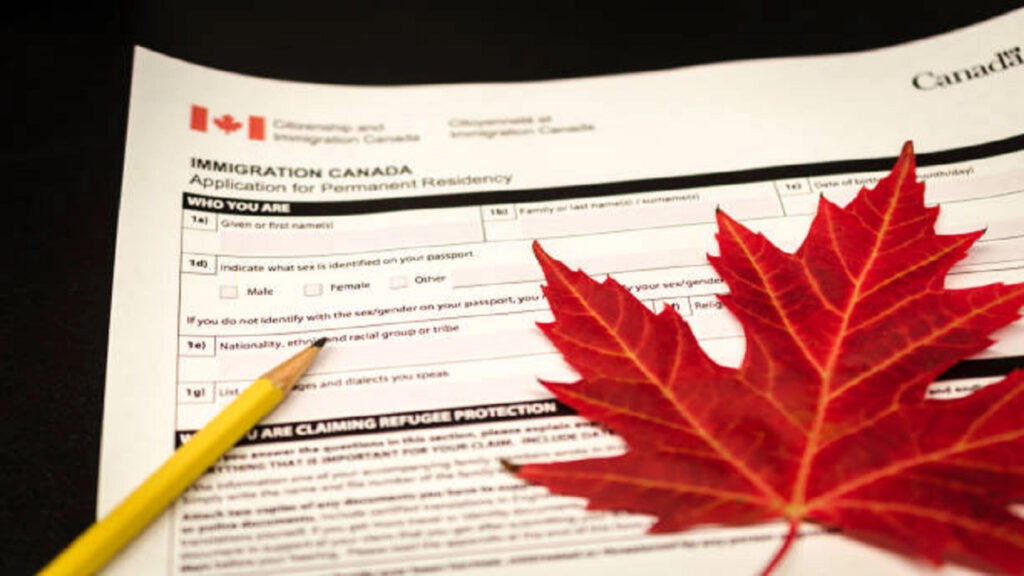
Today, I want to dive into an important update that’s making waves in the immigration community, especially if you’re a student or someone looking to work in Canada. As of September 3rd, 2024, the Canadian government is putting a temporary freeze on new Labor Market Impact Assessment (LMIA) applications for low-wage jobs in Montreal. This news is crucial for anyone considering working in Montreal, so let’s break it down together.
What’s Happening?
Starting September 3rd, 2024, the Canadian government will halt the issuance of low-wage LMIAs for Montreal. If you’re wondering why this is happening, it’s all about balancing the job market. The government wants to ensure that local workers get a fair shot at employment before bringing in foreign workers. This move is part of a broader strategy to address the growing concerns about job market saturation and unemployment in Montreal.
Why Montreal?
Montreal, one of Canada’s largest cities, has been facing a rise in unemployment rates, particularly among young adults and immigrants. The city’s economy has been struggling to integrate its local workforce, and the provincial government has been working hard to find solutions. This freeze on low-wage LMIAs is seen as a step towards giving local workers more opportunities, especially in industries that have traditionally relied on foreign labor.
The Scope of the Freeze
This freeze is not just a small tweak; it’s a significant policy shift that will impact both employers and workers in Montreal. Here’s a closer look at what’s involved:
- Effective Date: The freeze starts on September 3rd, 2024, and will last for six months.
- Wage Threshold: The freeze applies to job offers in Montreal with wages below $27.47 per hour.
- Geographical Impact: This policy affects the entire Montreal economic region, which includes multiple municipalities such as Montreal, Beaconsfield, Côte Saint-Luc, and many others.
Who Is Affected?
If you’re an employer in Montreal who relies on foreign workers for low-wage jobs, this policy is going to change how you operate. You’ll need to rethink your hiring strategies and possibly focus more on recruiting local talent. On the flip side, if you’re a local worker, this freeze could open up new job opportunities for you, as employers may now be more inclined to hire locally.
Exceptions to the Rule
No policy is without its exceptions, and this one is no different. Here are the key exceptions you need to know about:
- Jobs Outside Montreal: If the job is located outside the Montreal economic region, the freeze doesn’t apply.
- Wage Above Threshold: Positions with an offered wage equal to or greater than $27.47 per hour are exempt.
- Existing Applications: LMIA applications submitted before September 3rd, 2024, are also exempt.
- Certain Sectors: Jobs in industries like agriculture, construction, food processing, education, and health services are not affected by this freeze.
The Impact on Employers
For employers in Montreal, this freeze is a game-changer. If you’ve been using the Temporary Foreign Worker (TFW) program to fill low-wage positions, you’ll need to adjust your approach. This might mean increasing efforts to attract and retain local talent, possibly by offering more competitive wages and better benefits.
While this might be a challenge, it could also be an opportunity to build a stronger, more locally-focused workforce. Employers who successfully adapt to these changes might find themselves better positioned in the long run, with a more stable and committed workforce.
What Does This Mean for Local Workers?
If you’re a local worker in Montreal, especially someone who’s been struggling to find a job, this freeze could be a positive development. With fewer foreign workers filling low-wage positions, there might be more opportunities for you to secure employment. The provincial government is hoping that this policy will lead to lower unemployment rates and greater economic stability in the region.
Government Response: Striking a Balance
The decision to approve this freeze wasn’t made lightly. The federal government had to weigh the needs of local workers against the needs of businesses that rely on foreign labour. The Temporary Foreign Worker program has been a crucial tool for industries like agriculture and retail, where labour shortages are common. However, there’s also been criticism that the program can sometimes displace local workers and suppress wages.
By approving this freeze, the government is trying to strike a balance. They want to support the Canadian economy while also protecting the rights and interests of Canadian workers. The situation in Montreal will be closely monitored, and adjustments will be made if necessary to ensure the policy achieves its goals.
Industry and Labor Group Reactions
As expected, this announcement has sparked a range of reactions. Business associations are concerned about how this freeze will impact their operations, especially in sectors that are already facing labour shortages. Some are calling for additional government support to help them transition to a more local workforce.
On the other hand, labour groups and worker advocacy organizations are welcoming the freeze. They see it as a necessary step to protect local jobs and improve working conditions for domestic workers. These groups have long argued that the TFW program has been used to undermine the bargaining power of local workers and depress wages, particularly in low-wage sectors.
The Broader Impact on Canadian Labor Policy
This policy shift in Montreal could have ripple effects across Canada. Other provinces and territories facing similar challenges might look to Montreal as a precedent for implementing their own freezes or policy changes. The federal government’s willingness to grant the provincial request suggests that they are open to more localized approaches to labour market issues, particularly in regions with unique economic circumstances.
This also raises important questions about the future of the TFW program. While it has been instrumental in addressing labour shortages in certain sectors, the concerns raised by the situation in Montreal highlight the need for ongoing scrutiny and reform. Policymakers may need to consider additional measures to ensure that the program supports, rather than undermines, local employment.
Looking Ahead: What’s Next?
As this policy takes effect, all eyes will be on Montreal to see how the local labour market responds. Will this freeze lead to a significant increase in local employment? Or will businesses struggle to fill positions without access to foreign workers? The outcomes of this policy shift will likely inform future decisions at both the provincial and federal levels.
The federal government has committed to working closely with the provincial government to monitor the situation and make any necessary adjustments. This might include revisiting the terms of the freeze or exploring alternative measures to support local employment. Employers, workers, and advocacy groups will all play a crucial role in shaping the future of this policy. Their feedback and experiences will provide valuable insights into its impact.
Bottom Line: A Pivotal Moment for Montreal’s Labor Market
The approval of this temporary freeze on low-wage LMIA applications marks a critical juncture for Montreal’s labour market. As this policy takes effect, it represents both a challenge and an opportunity for the region. Employers will need to reassess their hiring practices, while local workers might find new opportunities opening up.
The success of this policy will depend on its ability to strike a delicate balance between supporting local employment and meeting the needs of businesses. As Montreal embarks on this new chapter in its labour market story, the lessons learned will likely resonate far beyond the city’s borders, influencing labour policy across Canada for years to come.
I’ll keep you updated as this story develops, so stay tuned for more updates. If you have any questions or thoughts on this, feel free to share them in the comments below.
Thanks for reading, and I’ll see you in the next blog.
Frequently Asked Question
Ques. 1. Why is the Canadian government freezing new LMIA applications in Montreal?
Ans.1. The Canadian government is temporarily freezing new Labor Market Impact Assessment (LMIA) applications for low-wage jobs in Montreal to balance the job market. The goal is to prioritize local workers and address concerns about job market saturation and rising unemployment in the city.
Ques. 2. When does the LMIA freeze take effect, and how long will it last?
Ans. 2. The freeze begins on September 3rd, 2024, and will last for six months. During this period, new LMIA applications for low-wage positions in Montreal will not be accepted.
Ques. 3. Which jobs are affected by the LMIA freeze in Montreal?
Ans. 3. The freeze applies to low-wage jobs in Montreal that offer wages below $27.47 per hour. However, jobs in certain sectors like agriculture, construction, food processing, education, and health services are exempt from this freeze.
Ques. 4. How will the LMIA freeze impact employers in Montreal?
Ans. Employers who rely on the Temporary Foreign Worker (TFW) program to fill low-wage positions will need to adjust their hiring strategies, focusing more on recruiting local talent and possibly offering more competitive wages and benefits to attract and retain local workers.
Ques. 5. What are the exceptions to the LMIA freeze in Montreal?
Ans. 5. Exceptions include jobs located outside the Montreal economic region, positions with wages at or above $27.47 per hour, and LMIA applications submitted before September 3rd, 2024. Additionally, certain sectors like agriculture and health services are not affected by the freeze.