

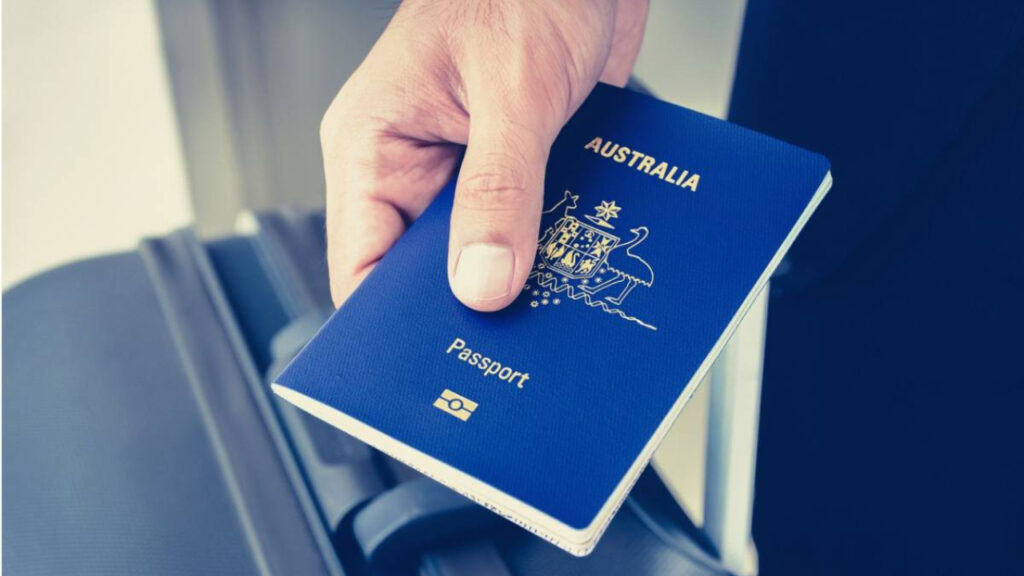
If you’ve been dreaming about relocating abroad with a working visa, I have got some fantastic news for you. Australia has opened up an incredible opportunity for international job seekers who are eager to make a new life Down Under. And you know what the best part is, you can do it with a permanent residency (PR) visa that allows you to live and work in Australia indefinitely, and yes, you can even bring your family along.
In today’s post, I’ll break down everything you need to know about this pathway, specifically the Australia 190 PR Visa, which is a game-changer for anyone looking to move to Australia without getting tangled up with agents or paying unnecessary fees. Let’s dive in.
Why Choose Australia?
Australia is a top destination for many reasons. First off, it’s a country that offers excellent work-life balance, high pay rates, and a great quality of life. With the 190 PR Visa, you’re not tied to a specific employer. This means you can choose any job that matches your qualifications and skills, giving you the freedom to build a career that suits you.
Another big plus is that you can bring your family with you. Your spouse or partner will also have the right to work, which is a huge help in managing expenses, especially if you have a big family. Plus, your children can study for free in Australia’s elementary and secondary schools. It’s a win-win situation.
The Australia 190 Visa: A Pathway to Permanent Residency
The Australia 190 PR Visa is a state-nominated visa, meaning you’ll need to get nominated by an Australian state or territory before you can apply. But don’t worry, I’ll walk you through the process.
Step-by-Step Guide to Applying for the 190 PR Visa
- Check Your Occupation: The first thing you need to do is ensure that your occupation is on the list of eligible occupations for the 190 Visa. Australia has a list of high-demand professions that they need to fill. These include teachers, medical professionals (like nurses and doctors), civil engineers, construction workers, and agricultural workers, among others. If your occupation is on this list, you’re already one step closer to your new life in Australia.
- Gather Your Documents: You’ll need to have all your documents ready, including proof of your qualifications and work experience. This visa is designed for skilled workers, so it’s important to demonstrate that you have the relevant skills and experience in your field.
- English Language Requirement: You’ll also need to show proficiency in English. Don’t panic if you’re not familiar with the IELTS (International English Language Testing System); there are other tests you can take, like the PTE (Pearson Test of English) or TOEFL (Test of English as a Foreign Language). Choose the one you’re most comfortable with.
- Expression of Interest (EOI): Next, you’ll need to submit an Expression of Interest (EOI) through Australia’s SkillSelect system. This is where you’ll let the Australian government know that you’re interested in applying for the 190 Visa. You’ll need to score at least 65 points to be eligible, which is based on factors like age, work experience, qualifications, and English language skills.
- State Nomination: After submitting your EOI, you’ll need to wait for a nomination from an Australian state or territory. Different states have different requirements, so it’s worth researching which state is the best fit for your profession and lifestyle.
- Visa Application: Once you’ve been nominated, you can finally apply for the visa. This is where all your hard work pays off. If everything goes smoothly, you’ll receive your PR visa and can start planning your move to Australia.
Why the Australia 190 Visa Is a Great Option
There are so many reasons why the 190 PR Visa is a fantastic choice. Here are just a few:
- Work Flexibility: As I mentioned earlier, you’re not tied to a single employer. You can work in any sector that matches your qualifications, giving you the flexibility to find the job that’s right for you.
- Family Benefits: Your spouse or partner can work, and your children can study for free in Australia. This makes it much easier to settle into your new life without worrying about hefty school fees or having only one income.
- High Pay Rates: Australia is known for its competitive salaries, especially in fields like healthcare, engineering, and construction. In fact, many people who relocate to Australia find that they earn more than they did in their home country, even if they were already living in a developed country like the UK.
- Permanent Residency: With the 190 Visa, you’re granted permanent residency, which means you can live and work in Australia indefinitely. You can also apply for Australian citizenship after a few years, giving you even more opportunities.
Common Concerns and Myths About Moving to Australia
I’ve heard a lot of concerns from people who are hesitant about moving to Australia. Some of the most common worries are about dangerous animals, like snakes and spiders.
But let me tell you, these concerns are largely overblown. I’ve spoken to several people who have lived in Australia for years, and they’ve never even seen a snake! Australia is a safe and welcoming country, and these fears shouldn’t hold you back from pursuing your dream.
Tips for Job Searching in Australia
Now that you’re excited about the possibility of moving to Australia, you might be wondering where to start your job search. There are several great websites where you can find job vacancies that are suitable for the 190 Visa:
- Seek: This is one of the most popular job search websites in Australia. Some people mistakenly believe it’s a scam, but that’s not true. Seek is a legitimate platform backed by the Australian government, so you can trust the jobs you find there.
- Western Australia and Northern Territory: These regions are particularly in need of skilled workers, so it’s worth focusing your job search here. You can also consider South Australia, Queensland, Tasmania, New South Wales, and the Australian Capital Territory, all of which are actively seeking international workers.
Make sure to tailor your resume to the Australian job market, highlighting your skills and experience in a way that matches the job descriptions you’re applying for. And don’t forget to prepare for interviews by researching the companies you’re applying to.
Final Thoughts
Moving to Australia with the 190 PR Visa is an incredible opportunity, and it’s more accessible than you might think. With the right preparation, you can start your new life in Australia in just 20 days. This visa offers you the chance to work in a high-paying job, enjoy a great quality of life, and provide a bright future for your family.
If you found this guide helpful, please give it a thumbs up and leave a comment below with any questions you have about the visa process. Remember, I’m here to help you on your journey, and I’m always happy to share what I’ve learned from my own research and experiences.
Good luck, and I hope to see you thriving in Australia soon.
Frequently Asked Questions
Ques. What is the best age to start claiming Social Security spousal benefits?
Ans. The ideal age to start claiming Social Security spousal benefits depends on your financial situation and life expectancy. Typically, benefits are reduced if claimed before full retirement age (FRA) and increase for each year you delay past FRA, up to age 70.
Ques. Can I collect Social Security spousal benefits and my own retirement benefits simultaneously?
Ans. No, you cannot receive both benefits in full. If you qualify for both, Social Security will pay your own retirement benefit first, and if your spousal benefit is higher, you’ll receive an additional amount to make up the difference.
Ques. How does my spouse’s age affect my Social Security spousal benefits?
Ans. Your spousal benefit is based on your spouse’s work record and is typically 50% of their full retirement benefit if you claim at your full retirement age. However, if your spouse delays claiming their benefits, it does not increase your spousal benefit.
Ques. Do I lose my Social Security spousal benefits if I remarry?
Ans. If you remarry, you generally cannot collect spousal benefits based on your ex-spouse’s work record unless your new marriage ends. However, you may be eligible for spousal benefits based on your new spouse’s work record.
Ques. What happens to my Social Security spousal benefits if my spouse passes away?
Ans. If your spouse passes away, you may be eligible for survivor benefits, which can be up to 100% of your spouse’s benefit amount. It’s important to contact the Social Security Administration to understand your options and maximise your benefits.