

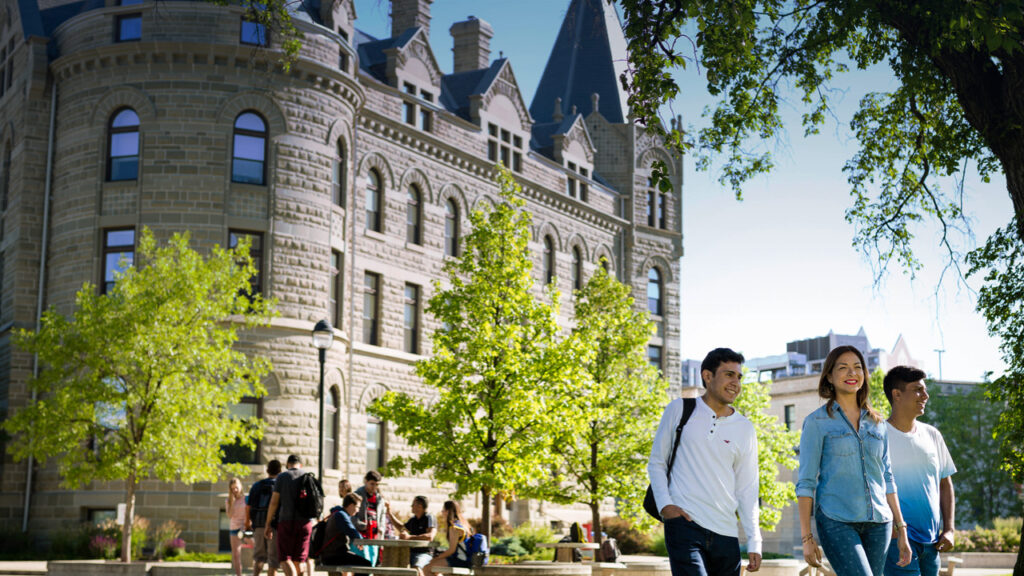
As an international student considering higher education in Canada, it’s crucial to understand the admission requirements and processes involved. Canadian universities are known for their diverse programs, high academic standards, and welcoming atmosphere for international students. This blog aims to provide a comprehensive guide to admission requirements, types of applications, eligibility criteria, and application processes for international students in Canada.
Types of Applications
1. Undergraduate Programs
Undergraduate programs in Canadian universities typically require students to have completed their secondary education (high school) and meet specific admission criteria set by each institution.
2. Graduate Programs
Graduate programs include master’s and doctoral degrees. Admission to these programs often requires a completed undergraduate degree, relevant academic qualifications, and sometimes professional experience.
3. Diploma and Certificate Programs
Diploma and certificate programs offer practical skills and training in various fields. These programs generally have less stringent entry requirements compared to degree programs but still necessitate certain academic prerequisites.
Eligibility Criteria
1. Academic Requirements
- Undergraduate Programs: Generally, you need a high school diploma or an equivalent qualification. Specific requirements vary by program and institution. For example, the University of Toronto requires a minimum overall average of 80% in high school courses for most programs (University of Toronto).
- Graduate Programs: A completed undergraduate degree from a recognized institution is required. For instance, McGill University’s graduate programs often require a minimum GPA of 3.0 on a 4.0 scale (McGill University).
- Diploma and Certificate Programs: Requirements vary widely but typically include a high school diploma or equivalent. For example, Humber College requires students to have completed their high school education and meet specific program requirements (Humber College).
2. Language Proficiency
Most universities require proof of English language proficiency. Accepted tests and minimum scores typically include:
- TOEFL (Test of English as a Foreign Language): Minimum scores usually range from 80 to 100, depending on the program (ETS TOEFL).
- IELTS (International English Language Testing System): Minimum scores generally range from 6.5 to 7.5 (British Council IELTS).
Some universities may also accept other tests like the Cambridge English exams.
3. Standardized Tests
Certain programs may require standardized tests such as the SAT (Scholastic Assessment Test) or GRE (Graduate Record Examination). For example:
- SAT: Required for undergraduate admissions at institutions like the University of British Columbia (UBC).
- GRE: Required for some graduate programs at universities such as the University of Alberta (University of Alberta).
Application Process
1. Research and Choose Programs
Start by researching universities and their programs to determine which ones align with your academic and career goals. Consider factors like location, program content, faculty, and campus facilities.
2. Prepare Documentation
- Transcripts: Provide official transcripts from all previous institutions attended.
- Letters of Recommendation: Typically, two to three letters are required, especially for graduate programs.
- Statement of Purpose: A personal statement outlining your academic goals, research interests, and reasons for choosing the program.
- Resume/CV: Especially for graduate programs, a detailed resume or CV may be required.
3. Submit Application
Applications are generally submitted through the university’s online portal or a centralized application system.
Some key platforms include:
- Ontario Universities’ Application Centre (OUAC): For universities in Ontario (OUAC).
- Apply Alberta: For universities in Alberta (Apply Alberta).
4. Pay Application Fees
Application fees vary by university and program. Ensure that you check the specific fee requirements and payment methods on the university’s application portal.
5. Attend Interviews (if applicable)
Some programs, particularly graduate and professional programs, may require interviews as part of the admission process.
6. Receive and Accept Offer
After submission, monitor your application status. If accepted, follow the instructions for confirming your acceptance, paying any deposits, and preparing for your arrival in Canada.
How to Apply
1. Find the Right Program
Use university websites and academic program guides to identify programs that fit your academic and career objectives. For instance:
- University of Toronto Programs
- University of British Columbia Programs
2. Complete Application Forms
Fill out the application forms accurately and provide all required information. Ensure that you meet deadlines for submission.
3. Submit Supporting Documents
Submit all required documents in the format specified by the university. This may include scanned copies or certified copies of transcripts and test scores.
4. Monitor Application Status
Track the status of your application through the university’s online portal. Be prepared to respond promptly to any additional requests for information.
Conclusion
Applying to Canadian universities as an international student involves several steps, from understanding eligibility criteria to submitting a well-prepared application. By researching programs thoroughly, preparing your documentation, and following the application process carefully, you can enhance your chances of admission to your chosen university. For those needing guidance in navigating this process, FindMyConsultant can connect you with licensed and experienced immigration professionals.